What is CNAP and When is It Launching in India? Complete Guide 2026
What is CNAP and When is It Launching in India? Complete Guide 2026
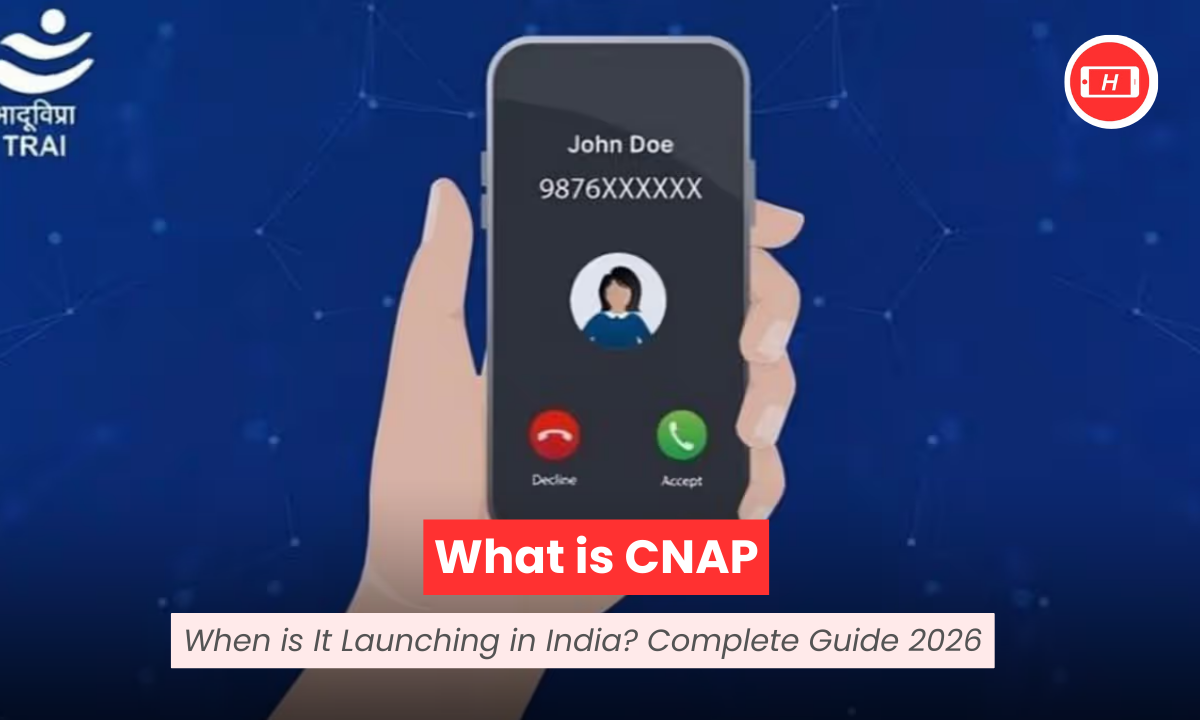
Let me tell you about something that is going to change how we receive phone calls in India forever. CNAP stands for Calling Name Presentation and it is basically a game changing telecom service that will show you the verified name of whoever is calling you right on your phone screen.
I have been following this development closely and trust me this is not just another caller ID app. This is something built right into the network itself by TRAI and it uses official KYC records from when people registered their SIM cards.
Unlike apps like Truecaller that rely on user uploaded data that can be wrong or fake CNAP pulls information directly from telecom operators databases which makes it incredibly accurate and reliable.
Also Read: OnePlus Pad Go 2 Launch Date, Specifications and Review: Everything You Need to Know
Key Takeaways
- CNAP is a network level caller identification system that displays verified names using official KYC records
- Full nationwide rollout is scheduled for March 2026 with trials already underway in select regions
- Major operators including Jio Airtel Vodafone Idea and BSNL are implementing it in phases starting with 4G and 5G networks
- The service will be enabled by default for all users on supported networks without requiring manual activation
- Users who value privacy can opt out using the CLIR feature by contacting their telecom provider
- CNAP aims to significantly reduce spam calls scam attempts and caller impersonation issues
- Smartphone manufacturers will be required to support CNAP in devices sold after the official rollout date
Understanding CNAP Technology and Its Implementation
When I first heard about CNAP I was curious about how it actually works. The technology is quite straightforward but incredibly powerful. Every time someone calls you the network checks their mobile number against the KYC database that telecom operators maintain.
This database contains the real name that was verified with documents like Aadhaar when the SIM was purchased. The system then sends this verified name to your phone along with the call and displays it on your screen even before you pick up.
What makes this different from third party apps is the source of information. I have used caller ID apps before and they often show wrong names or outdated information because they depend on what other users have saved.
CNAP eliminates this problem completely because it uses government verified official records. This means if someone tries to scam you by pretending to be someone else you will immediately see their real registered name on your screen.
The implementation is happening in stages which I think is a smart approach. TRAI approved the framework in October 2025 and gave telecom operators a clear deadline of March 31 2026 to complete the rollout.
Right now trials are already running in places like Haryana where Vodafone Idea tested it and in select areas where Jio is piloting the service. The initial focus is on 4G and 5G networks because they have the technical capability to support this feature easily.
CNAP Launch Timeline and Current Status
Based on what I have learned from official sources and telecom announcements the CNAP launch is following a very structured timeline. The journey started back in November 2022 when TRAI first released a consultation paper asking for feedback from stakeholders. After gathering inputs and analyzing technical requirements TRAI gave its final approval in October 2025. This was a major milestone that set everything in motion.
The trial phase began in November 2025 with Vodafone Idea conducting tests in Haryana and Jio running pilots in specific regions. I think these trials are crucial because they help operators identify and fix any technical issues before the nationwide launch. From what I have seen so far the trials have been successful and the operators are now scaling up their infrastructure to support millions of users.
The big date everyone is waiting for is March 2026 which is when CNAP will be available across India. All telecom operators have been directed to complete their implementation by March 31 2026.
This means that by the end of the first quarter of 2026 most people using 4G or 5G networks will automatically start seeing verified caller names on their phones. Older 2G networks might take a bit longer because they need additional technical work but I expect them to be added by mid 2026.
How to Enable CNAP on Your Phone
Here is something interesting that surprised me when I learned about it. You actually do not need to do anything to enable CNAP on your phone. The service is designed to work automatically once your telecom operator rolls it out in your area.
There is no app to download no settings to change and no registration process to complete. As soon as your operator activates CNAP on their network your phone will start showing verified names for incoming calls.
The only requirement is that you need to be using a 4G or 5G network and your phone should be relatively modern.
Smartphone manufacturers are being required to ensure that devices sold after the official rollout date support CNAP technology. Most phones already have the capability built in because CNAP uses standard telecom protocols that have been around for years.
However if you are someone who values privacy and does not want your name to be displayed when you call others you have that option too. I appreciate that TRAI has included this privacy feature. You can opt out by using something called CLIR which stands for Calling Line Identification Restriction.
To activate this you need to contact your telecom provider customer care. Once CLIR is enabled your name will not be shown to people you call but you will still see other peoples verified names when they call you.
Benefits and Impact on Indian Telecom Users
From my perspective CNAP is going to make a massive difference in how we deal with unwanted calls. Spam calls and scam attempts have become such a huge problem in India.
I personally receive multiple spam calls every week from people pretending to be bank officials or offering fake loans or lottery wins. With CNAP these scammers will not be able to hide behind fake identities anymore.
When a scammer calls you will immediately see their real registered name which will make it obvious that something is not right. Legitimate businesses and organizations will also benefit because their calls will be trusted more.
For example when your actual bank calls you will see their verified business name and you can confidently answer the call knowing it is genuine.
The system also reduces the need for third party caller ID apps which have their own privacy concerns. These apps often collect your entire contact list and call history which many people do not realize. CNAP keeps everything at the network level so your personal data stays more secure.
The operators are required to maintain strict security protocols and logging systems to protect the KYC database from unauthorized access.
Another benefit I see is for elderly people and those who are not tech savvy. My parents often fall for scam calls because they cannot easily verify who is calling them. With CNAP they will see a verified name right on their screen without having to install or learn how to use any apps. This simple feature can protect millions of vulnerable people from fraud.
Privacy Considerations and User Control
While CNAP offers great benefits I understand that some people might have concerns about privacy. Having your name automatically displayed to everyone you call might not be comfortable for everyone. TRAI has addressed this by making CLIR available as an opt out option. This shows that the system balances transparency with individual privacy rights.
It is important to note that CNAP only displays the name that is registered with your SIM card. It does not share your address phone number or any other personal information beyond your name. The data is pulled from KYC records that telecom operators already have so no new information is being collected or shared.
For businesses and organizations CNAP actually enhances their credibility. When companies call customers for legitimate purposes like delivery updates or service reminders their verified business name will appear. This builds trust and improves customer communication. I think this will also push businesses to maintain accurate KYC records and use proper communication channels.
The technical infrastructure behind CNAP includes strong security measures. All access to the KYC database is logged and monitored. Only authorized systems can query the database and there are strict regulations about how this data can be used. This level of security is much better than what third party apps provide because it is regulated by TRAI and monitored by the government.
What This Means for the Future of Telecom in India
CNAP represents a major step forward in making telecommunications more secure and trustworthy in India. I believe this is just the beginning of more advanced features that will come to our networks. The success of CNAP could pave the way for other security features like verified SMS sender names and better spam filtering at the network level.
From a global perspective India will be among the first countries to implement such a comprehensive caller identification system at the national level.
This positions India as a leader in telecom innovation and shows how regulation can work together with technology to solve real problems that people face every day.
For users the advice is simple. Keep your SIM card KYC details updated with your operator. When CNAP rolls out in your area in early 2026 you will automatically start benefiting from it. If you want to maintain privacy activate CLIR through your operator.
And most importantly use this feature to stay alert and avoid falling for scam calls that have become so common in recent times.
Tags: CNAP India, calling name presentation, TRAI caller ID, telecom security India, spam call protection, KYC caller verification, CNAP launch date
Related Posts :



Share This Post