Microsoft Windows 11 Emergency Update Issued After January 2026 Patch Triggers Widespread Problems
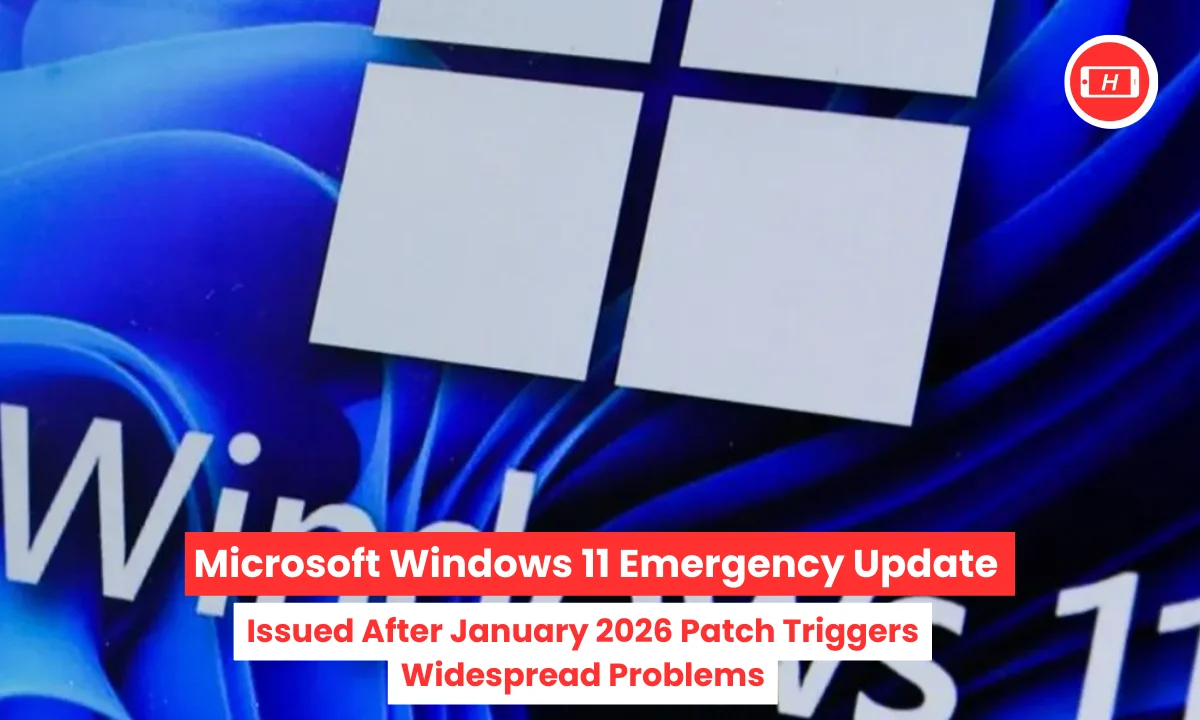
Microsoft Windows 11 Emergency Update Issued After January 2026 Patch Triggers Widespread Problems
Microsoft has released multiple emergency updates for Windows 11 in late January 2026 after its regular Patch Tuesday security update created serious stability problems for users around the world. What began as a routine monthly security rollout quickly turned into one of the most criticized update cycles in recent years.
Soon after installing the January 13, 2026 Windows update, thousands of users began reporting issues across social media, forums, and tech communities. These reports described Outlook crashes, cloud storage file errors, shutdown failures, and even cases where systems could no longer boot normally.
To contain the situation, Microsoft issued out-of-band (OOB) emergency patches within days. The rapid sequence of fixes highlighted the scale of the problem and raised questions about update testing and quality control.
Table of Contents
A Routine Security Update That Went Wrong
The January 2026 Patch Tuesday update was intended to deliver standard security improvements and system protections. Instead, it introduced unexpected regressions affecting both personal and business users.
Among the most common issues reported were:
- Outlook freezing or failing to open
- Applications becoming unresponsive when accessing cloud-stored files
- Shutdown and restart failures
- Remote Desktop sign-in problems
- Black screens and random system hangs
- In some cases, boot errors and BitLocker recovery prompts
Many of these problems appeared after users tried to open or save files stored in OneDrive or Dropbox folders. This behavior disrupted everyday workflows, particularly for professionals who rely on Outlook and cloud storage for work.
Several users also described situations where emails seemed to disappear temporarily or had to be re-downloaded, creating anxiety over possible data loss. While Microsoft later clarified that most cases involved syncing issues rather than permanent deletion, the disruption was enough to cause alarm.
Outlook & Cloud Storage at the Center of the Crisis
Microsoft confirmed that Outlook was especially affected when PST files were stored inside cloud-synced folders. This configuration is widely used in corporate environments because it allows backups and shared access.
In these scenarios:
- Outlook would hang during startup
- The program would stop responding while loading emails
- Users were forced to close the app using Task Manager
- A full system restart was often required to restore access
Other applications that depended on cloud-based storage also showed similar behavior. When opening or saving files, they could freeze or display unexpected error messages. This created productivity issues for offices and remote workers who rely on cloud services for daily tasks.
Microsoft’s Emergency Response: Out-of-Band Updates
Because of the severity of the situation, Microsoft released emergency fixes outside its normal monthly update schedule.
First Emergency Update (Mid-January 2026)
The first out-of-band patch focused on resolving:
- Shutdown and hibernation failures
- Secure Launch related problems
- Remote Desktop login issues
- System stability bugs introduced by the January update
This patch was mainly aimed at restoring basic system functions such as powering down safely and connecting to remote desktops.
Second Emergency Update (Late January 2026)
A second emergency update followed shortly after, addressing:
- Outlook crashes related to PST files stored in cloud folders
- File access errors involving OneDrive and Dropbox
- Applications becoming unresponsive
- Black screen and freezing problems
Microsoft stated that these updates were cumulative, meaning users only needed to install the latest package to receive all previous fixes along with new corrections.
Public Reaction and Online Sentiment
Public reaction across X (formerly Twitter), Reddit, and tech forums has been largely negative and frustrated. Many users questioned how a security update could cause such widespread disruption.
Common themes in online discussions included:
- Criticism of Microsoft’s testing process
- Sarcastic comments about “emergency updates after emergency updates”
- Warnings from users advising others to delay installing new patches
- Reports of personal system failures, including locked drives and boot loops
Some tech commentators described the situation as an “update crisis” and pointed out that this was the second time in early 2026 that Microsoft had to issue urgent fixes.
While a few users appreciated Microsoft’s quick response, most felt that the problems should never have reached public release in the first place.
Who Should Install the Emergency Update?
Microsoft has clarified that the emergency update is mainly intended for users who are experiencing problems such as:
- Outlook not opening or freezing
- Errors when accessing files in OneDrive or Dropbox
- System hangs or black screens
- Shutdown or restart failures
For users whose systems are running normally, Microsoft suggests waiting for the next regular Patch Tuesday update, where these fixes will be included as part of the standard update cycle.
This approach allows cautious users to avoid unnecessary risk while still receiving the corrections in a more stable package later.
The Bigger Issue: Update Fatigue and Trust
The January 2026 incident adds to a growing sense of “update fatigue” among Windows users. Many people now hesitate before installing new updates and prefer to wait for community feedback before proceeding.
Some users are choosing to:
- Pause automatic updates
- Install patches manually after review
- Follow tech news closely before updating
- Explore alternative operating systems
At the same time, the situation shows how dependent modern systems are on cloud services and email platforms. A single bug affecting file access can disrupt millions of workflows within hours.
Lessons From the January 2026 Update
This event highlights several key lessons for both Microsoft and users:
- Testing remains critical: Even security updates need broader real-world testing before release.
- Rapid response is necessary: Microsoft’s quick emergency patches helped reduce long-term damage.
- Backups are essential: Users should always maintain backups before major system updates.
- Communication matters: Clear guidance on who needs the emergency update helps prevent confusion.
Although Microsoft has stabilized the situation with out-of-band fixes, the episode has raised renewed concerns about reliability and quality control in the Windows update process.
Conclusion
The Windows 11 emergency updates released in January 2026 demonstrate how a routine security patch can unexpectedly lead to widespread system issues. From Outlook crashes and cloud file errors to shutdown failures and boot problems, the impact was felt by both personal users and business environments.
While Microsoft acted quickly by releasing multiple emergency updates, the incident has left many users cautious about future patches. Those affected by Outlook and cloud storage issues should install the emergency update, while others may prefer to wait for the next scheduled release.
As Windows continues to evolve, this episode serves as a reminder that system updates require both strong testing and careful rollout to protect user trust and productivity.
Also Read: Satya Nadella Calls For Shift Beyond AI ‘Slop’ Debate As Industry Faces Growing Public Backlash
Related Posts :



Share This Post