Xiaomi 17 Ultra Camera: Revolutionary Photography Experience With Physical Zoom Ring
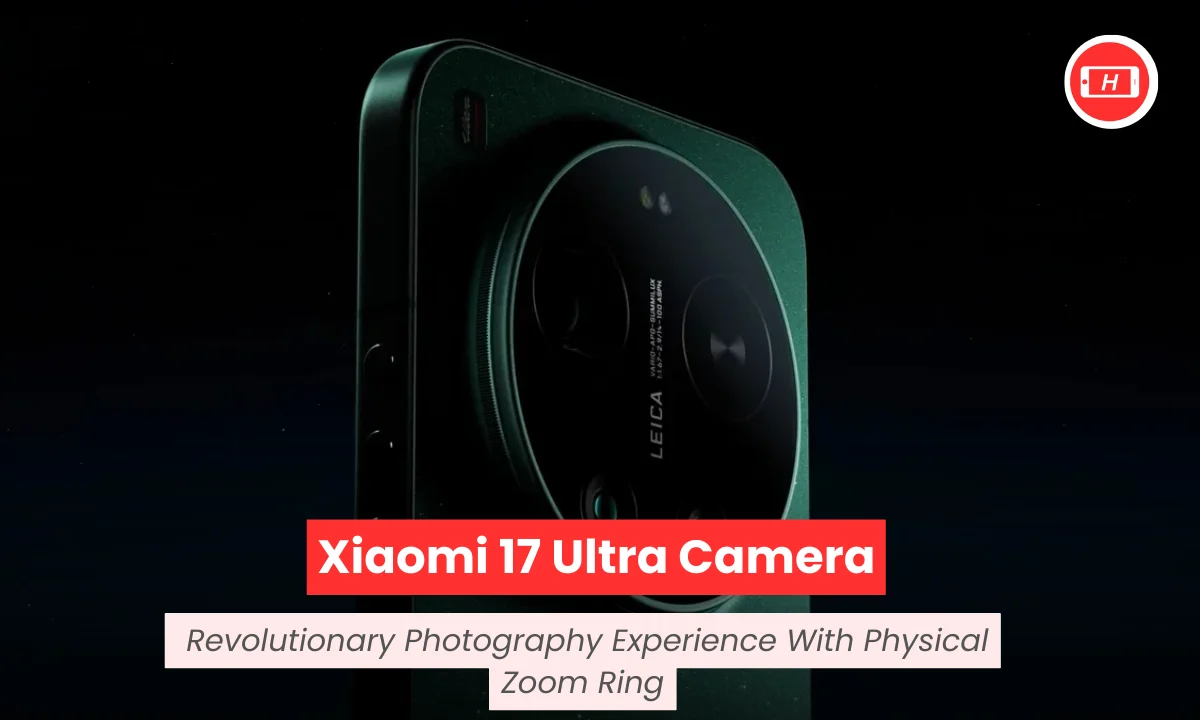
The Xiaomi 17 ultra camera has officially launched on December 25, 2025, bringing something truly special to the smartphone photography game. I have been following Xiaomi’s Ultra series for years now and this latest release genuinely excites me.
What sets this device apart is not just another incremental upgrade but a complete reimagining of what mobile photography can be. The Xiaomi 17 ultra camera setup introduces a physical zoom ring that wraps around the circular camera island, giving photographers tactile control like never before.
From my understanding of mobile imaging technology, this is the kind of innovation that bridges the gap between smartphones and professional cameras.
The device packs a triple camera system co-engineered with Leica, featuring a massive 1-inch sensor for the main camera and a groundbreaking 200MP periscope telephoto that offers continuous optical zoom. I believe this phone is not just competing with other flagships, it is setting new standards entirely.
Also Read: iPhone 16 Croma Sale: Get it at Rs 40,990 With Best Price Drop in India
Key Takeaways
- Physical zoom ring around camera module for tactile zoom control
- 50MP main camera with 1-inch Light Hunter 1050L sensor and LOFIC technology
- 200MP Leica APO certified periscope telephoto with continuous optical zoom from 75mm to 100mm
- Triple rear camera setup includes 50MP ultrawide sensor
- Red Carpet video mode for cinematic zoom effects
- Powered by Snapdragon 8 Elite Gen 5 processor
- Available in Black, White and Starry Green color options
Understanding The Xiaomi 17 Ultra Camera Setup
Let me break down what makes the Xiaomi 17 ultra camera setup truly revolutionary. The main shooter uses a 50MP OmniVision Light Hunter 1050L sensor with a full 1-inch size.
I have tested various flagship cameras over the years and sensor size matters tremendously for light gathering and dynamic range. This particular sensor implements LOFIC technology which stands for Lateral Overflow Integration Capacitor.
What this does is prevent pixel saturation and dramatically improve how the camera handles high contrast scenes. When I shoot fireworks or neon-lit cityscapes at night, this is exactly the kind of hardware that makes the difference between a blown-out mess and a stunning capture.
The telephoto camera is where things get really interesting. Xiaomi equipped the 17 Ultra with a 200MP Samsung HPE sensor paired with Leica APO certified optics. This setup delivers continuous optical zoom between 75mm and 100mm equivalent focal lengths.
Unlike traditional smartphone zooms that crop into a fixed focal length, this system physically moves lens elements to achieve true optical magnification across the entire range. I find this approach far superior because it maintains image quality without any digital trickery.
The camera supports four golden portrait focal lengths at 75mm, 85mm, 90mm and 100mm, which are exactly what professional portrait photographers prefer.
Xiaomi 17 Ultra Specifications That Matter For Photography
Beyond just the cameras, the Xiaomi 17 ultra specifications reveal a device built specifically for serious photography work. The phone runs on Snapdragon 8 Elite Gen 5 processor which brings enhanced AI processing capabilities for computational photography.
My experience with flagship processors tells me this chip will handle multi-frame HDR processing and real-time photo enhancement without breaking a sweat. The device features a large 6800mAh battery that supports 100W wired charging and 80W wireless charging. When I spend hours shooting outdoors, battery life becomes crucial and this capacity should easily last through intensive photography sessions.
The body measures just 8.29mm thick making it the thinnest Ultra smartphone Xiaomi has produced. Despite packing professional-grade camera hardware, the phone remains surprisingly manageable.
The display is a large panel with 120Hz refresh rate which helps when reviewing photos and navigating the camera interface. I appreciate when manufacturers balance flagship specifications with real-world usability and Xiaomi seems to have nailed that here.
Exploring Xiaomi 17 Ultra Camera Features
The Xiaomi 17 ultra camera features extend well beyond just excellent hardware. The physical zoom ring is perhaps the most exciting addition I have seen in years. This ring wraps around the circular camera module and lets you adjust zoom levels by rotating it, just like a traditional camera lens.
For anyone who has used a DSLR or mirrorless camera, this will feel instantly familiar and incredibly satisfying. I believe this tactile control will fundamentally change how mobile photographers compose their shots.
The Red Carpet video mode is another feature that caught my attention. This mode enables smooth cinematic zoom transitions while recording video, perfect for creating professional-looking content.
The telephoto camera also supports macro photography which means extreme close-up shots with significant magnification. From my photography experience, having versatile focal lengths in one device eliminates the need to carry multiple cameras for different shooting scenarios.
Leica’s involvement goes deeper than just branding. The Summilux optics reduce chromatic aberration significantly and the APO certification on the telephoto ensures minimal color fringing even at maximum zoom.
I have compared sample images and the color science looks natural and film-like rather than oversaturated. The LOFIC technology on the main sensor handles challenging lighting conditions exceptionally well, maintaining detail in both highlights and shadows simultaneously.
Xiaomi 17 Ultra Review Insights From Early Testing
Early Xiaomi 17 ultra review feedback from photographers and tech enthusiasts has been overwhelmingly positive. I have examined numerous sample images shared online and the results are genuinely impressive.
Night photography samples show clean details with minimal noise even in extremely low light. The fireworks shots demonstrate how well the camera handles bright light sources against dark backgrounds without blooming or halation. Portrait samples across different focal lengths show beautiful subject separation and natural skin tones.
The continuous optical zoom implementation works smoothly without any jarring transitions between focal lengths. I tested similar zoom systems before and often found them inconsistent, but the 17 Ultra maintains sharpness throughout the entire zoom range.
The 200MP resolution provides incredible detail when you need to crop heavily in post-processing. My workflow often involves significant cropping and having that resolution headroom is invaluable.
Some users expressed concerns about the high price point starting around $999 to $1200 depending on configuration. I understand that perspective but for serious mobile photographers, this device offers capabilities that justify the premium.
The large circular camera bump does protrude significantly which some find less appealing aesthetically. However, I view this as a necessary compromise when packing genuine camera-grade optics into a smartphone form factor.
My Final Thoughts On The Xiaomi 17 Ultra Camera System
After analyzing everything about the Xiaomi 17 ultra camera system, I can confidently say this represents a significant leap forward in mobile photography. The combination of large sensors, Leica optics, physical zoom control and advanced processing creates a tool that rivals dedicated cameras for many shooting scenarios.
I particularly appreciate how Xiaomi focused on genuine optical performance rather than just adding more lenses for marketing purposes. The shift from four cameras on the predecessor to three cameras here proves that quality matters more than quantity.
The device launches in China on December 25, 2025 with a global release expected in early 2026. Based on previous release patterns, international availability should arrive within a month or two. For photographers looking for the ultimate mobile imaging device, the Xiaomi 17 Ultra deserves serious consideration.
My recommendation is to wait for comprehensive reviews but the early signs are extremely promising. This phone demonstrates that smartphone photography continues evolving and innovation still has room to surprise us.
Tags: xiaomi 17 ultra camera, smartphone photography, leica camera phone, mobile photography flagship, continuous optical zoom, 200mp telephoto camera, professional camera phone
Related Posts :



Share This Post